Author: Yilun
Translator: chat gpt 3.5, Yilun
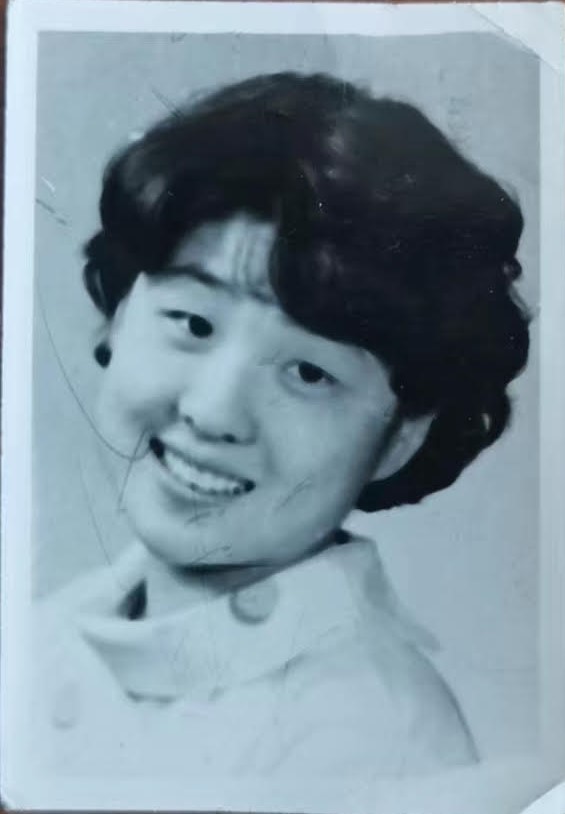
Yao Mei, born in Zibo, Shandong, China, 1963
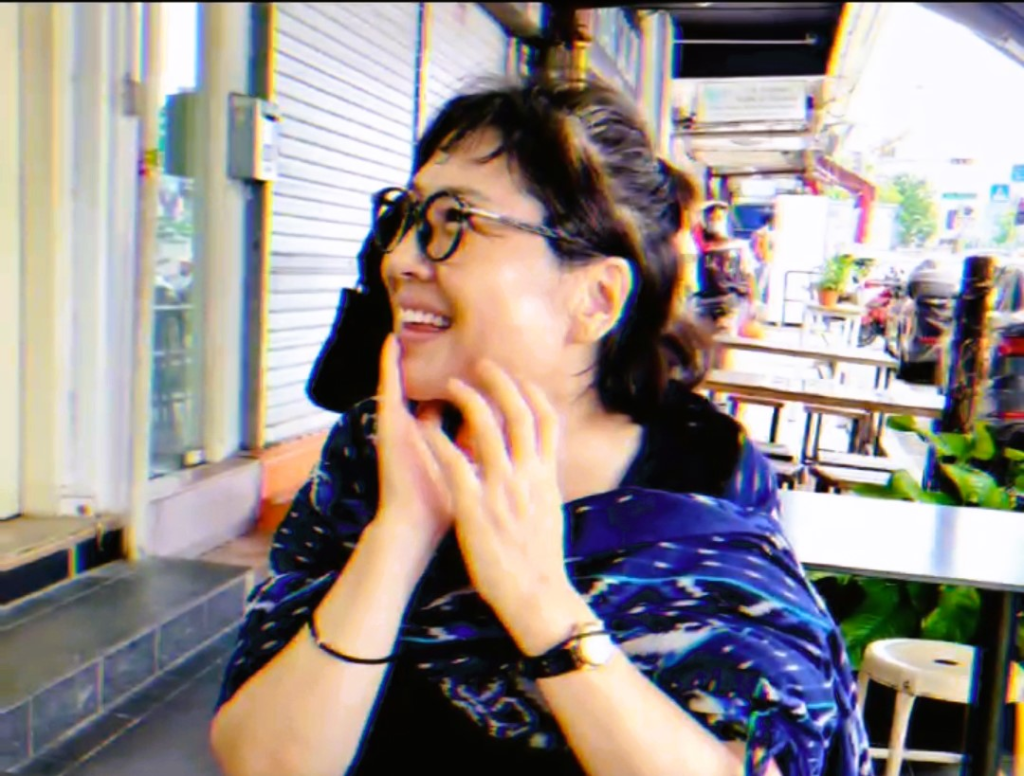
Narrator: Yao Mei
—
Adoloscence
The story goes on…
—
1976
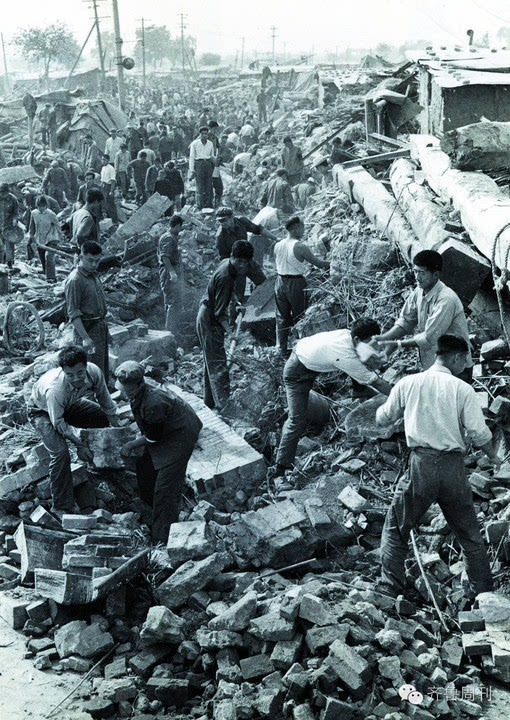
In 1976, I was thirteen. One summer day, my mother was on night duty at the workers’ hospital, and I was keeping her company. Due to the three-shift system, my mother often had to make house calls at night, making it difficult for her to get any sleep. Around five or six in the morning, when the sky was just getting light, the iron bed suddenly began to shake violently. My mother immediately ran out, shouting, “What’s happening, what’s happening?” Many people from the staff dormitory also came down, waking me up. At that moment, I had no idea what was going on. It wasn’t until the next day that we learned about the Tangshan earthquake.
In January, Premier Zhou Enlai passed away. In July, Zhu De passed away, followed by the earthquake, and in September, Chairman Mao Zedong passed on. China was gray in 1976.
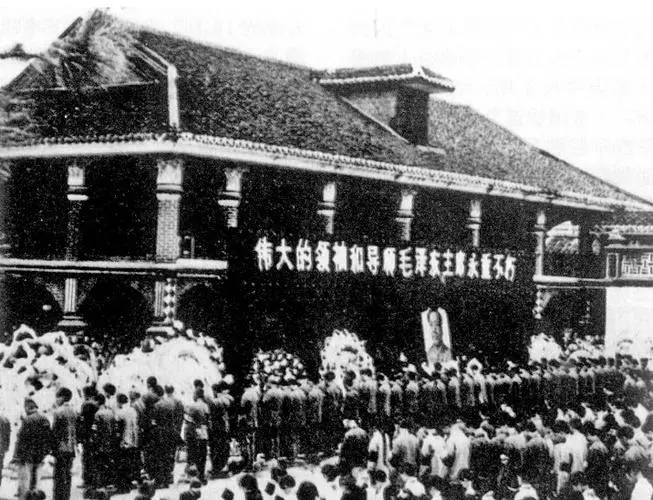
A series of events felt like the sky was falling for people of that era. That year, my mother was always buying black armbands, wearing black clothes, and shedding tears. Our family was devoid of joy. The collapse of our parents was akin to the end of the world in the eyes of their children.
To guard against aftershocks, shelters were quickly set up the day after the earthquake, and all power plant workers lived in them. My father brought home a large, sturdy military tarpaulin from the army, usually used for covering cement. He set it up in the open space, secured with ropes and aluminum buckles, creating the best shelter for us children and the ten families living in the General Buildings.
For the adults, it was a time of hardship, but what did we children understand? We felt like it was a festive celebration. At that time, there were thirty or forty children from those families playing in the shelter. During the day, we ran around, read picture books, and made our own toy spears. At night, we took turns “standing guard.” In the most difficult year of 1976, my father used his love to create a “paradise” for us children amidst the “hell.”
Due to Zibo’s unique cluster-style geographical administrative planning, rural areas were adjacent to the city, often leading to conflicts between workers and nearby farmers. To mediate, my father would always help the villagers by offering them jobs, involving them in the construction of the industry, such as building roads and wells. As a result, the farmers always found ways to thank my father. When he couldn’t refuse their gifts, he would divide the vegetables into ten portions, put them in the backyard, and share them with the neighbors by drawing lots to distribute the food. Even today, though my father has passed away, hundreds of people still come to wish my mother a happy new year every year. I believe this is not only due to my mother’s benevolence as a doctor but also because of my father’s helpful nature and charisma.
In my childhood, the kindness of my grandparents was passed down to my parents, and then to us. We spent every Spring Festival in Zibo with our family of seven, three generations, which was the happiest time.
—
New Year’s Eve
My father called it “igniting firehead.” On New Year’s Eve, he would place a large iron ring in the middle of the yard, put wood in it, pile coal around it, and build a high firehead. At midnight, he would light it, and it would burn until the morning of the first day of the new year. At that moment, all the children would be dressed in new clothes, sitting around the firehead, singing and dancing. In the cold dark winter, the firehead ignited, bringing hope to the children. The fire burned brightly and warmly, illuminating the entire community. Before the advent of the Spring Festival Gala, the “firehead” was my childhood’s Spring Festival Gala.
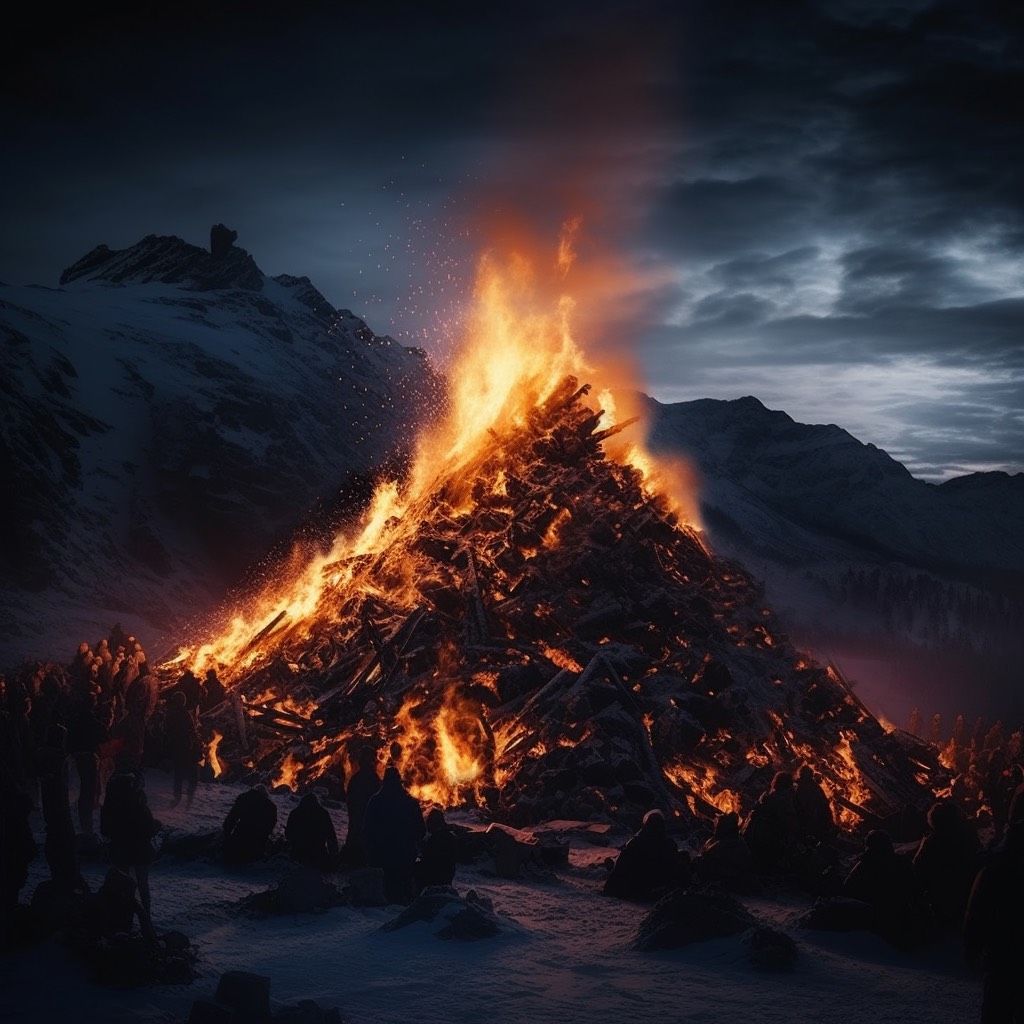
The first Spring Festival Gala in 1983 was more like a tea party for movie industry people, showcasing various talents and skills. This gradually replaced my father’s “firehead” Spring Festival celebration. The railway extended right to the power plant, and the coal used for power generation was directly unloaded on both sides of the tracks. Twice a year, we would use wicker baskets and gloves to pick up large pieces of coal. While other places used coal briquettes made from coal dust, the power plant workers had the privilege of using large chunks of solid coal, a benefit reserved for the power plant employees. We would pile the coal we collected in the small courtyard in front of our house.
My father built a furnace himself using bricks and coating it with cement on the outside. He would make a square frame with wooden boards, place it on the ground, pour cement into it, let it dry, then pull out a cement slab, and place it on top of the furnace to complete a stove. He would sprinkle shiny white pebbles and perlite onto the cement surface and polish it with terrazzo, making it look gorgeous—my father was quite handy.
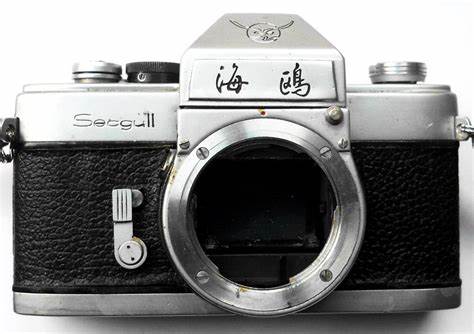
At home, we had black and white photos mounted on plywood with a piece of glass on top, but the plywood was unattractive, so my father would cover it with a piece of floral velvet. He also loved photography and owned Seagull camera 125 and 135. He bought many rolls of film and took numerous photos of our family. He would develop the film by either taking it to a photo studio or using his connections through my mother to develop it in the hospital lab, where he would cut and trim the photos himself.
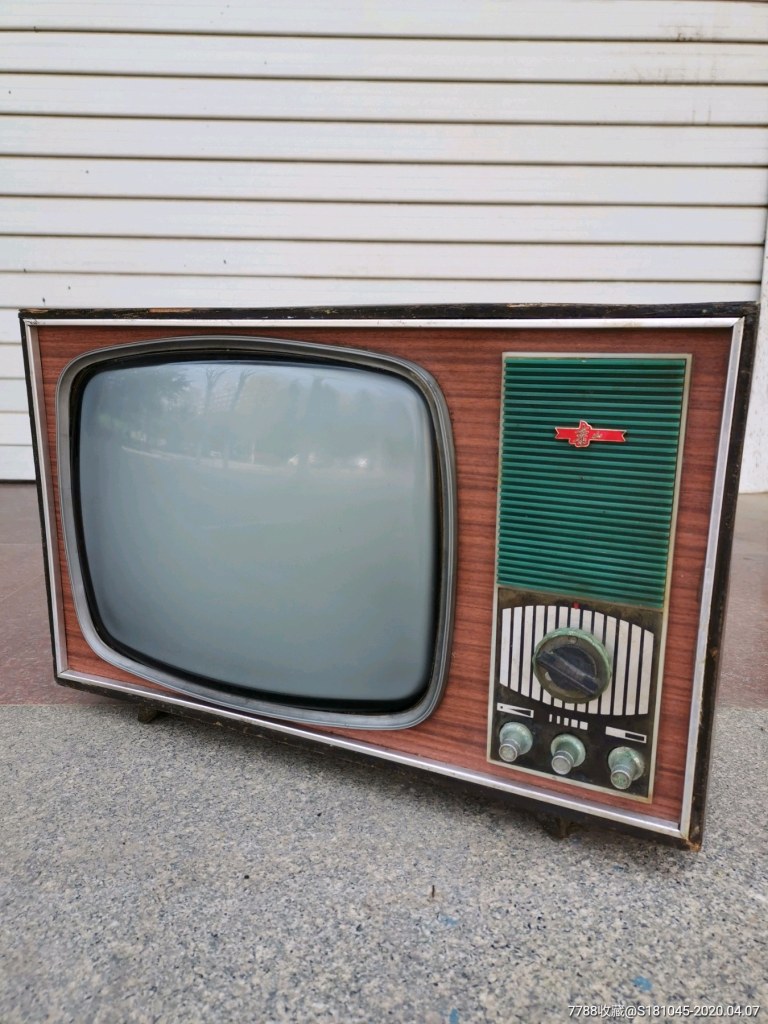
Our family was the first in the entire plant to own a television. It was a Taishan brand, over twenty inches, produced by the Jinan Television Factory in 1976. My father, curious, fashionable, and loving, often got into trouble because of these traits. He had a great love for people and a tendency to show off, always wanting to lead the way. This caused him to be criticized and beaten during the Cultural Revolution. His pursuit of progress and novelty made him admired by many, despite the backlash. Most importantly, he guided his children forward, encouraging us to look at the broader world.
In 1976, I returned to the electricity industry for school, and my biggest impression was that the industry’s school was not good enough. At that time, state-owned enterprises had their own schools for employees’ children, which were not known for academic excellence. Only public schools had good academic reputations, while the teachers in enterprise-affiliated schools were often selected from among the workers, so the teaching quality was generally poor.
Worse still, we had an anti-study trend at the time, emulating Huang Shuai, a famous student who went against teacher, submitting blank exam papers, reciting the quote like “I’m a Chinese, why speaking English?” Many students couldn’t get into high school and had to go for the third year of junior high. I passed the high school entrance exam and went straight to high school after graduating from the second year of junior high. Our high school didn’t offer foreign languages, and the overall academic environment was poor. I asked my parents to transfer me to Zichuan No. 7 Middle School to study with my classmate Lin Yan. After spending two months there, I returned home because my parents didn’t agree to let me study away from home.
However, those two months were enough for me to realize the gap between public schools and enterprise schools. Public schools had better academic performance, and students came from different places and had to live in dormitories, while students in enterprise schools didn’t take studying seriously and were always causing trouble.
Our classroom had a stove made of bricks, and one day before the teacher arrived, the students dismantled the stove, wrapped the bricks in newspapers, and shared them to warm their hands. This disregard for education extended to my own family. The television was on the second floor of our house, and every evening, many people would come to watch shows. My room was always crowded, leaving no place for me to study.
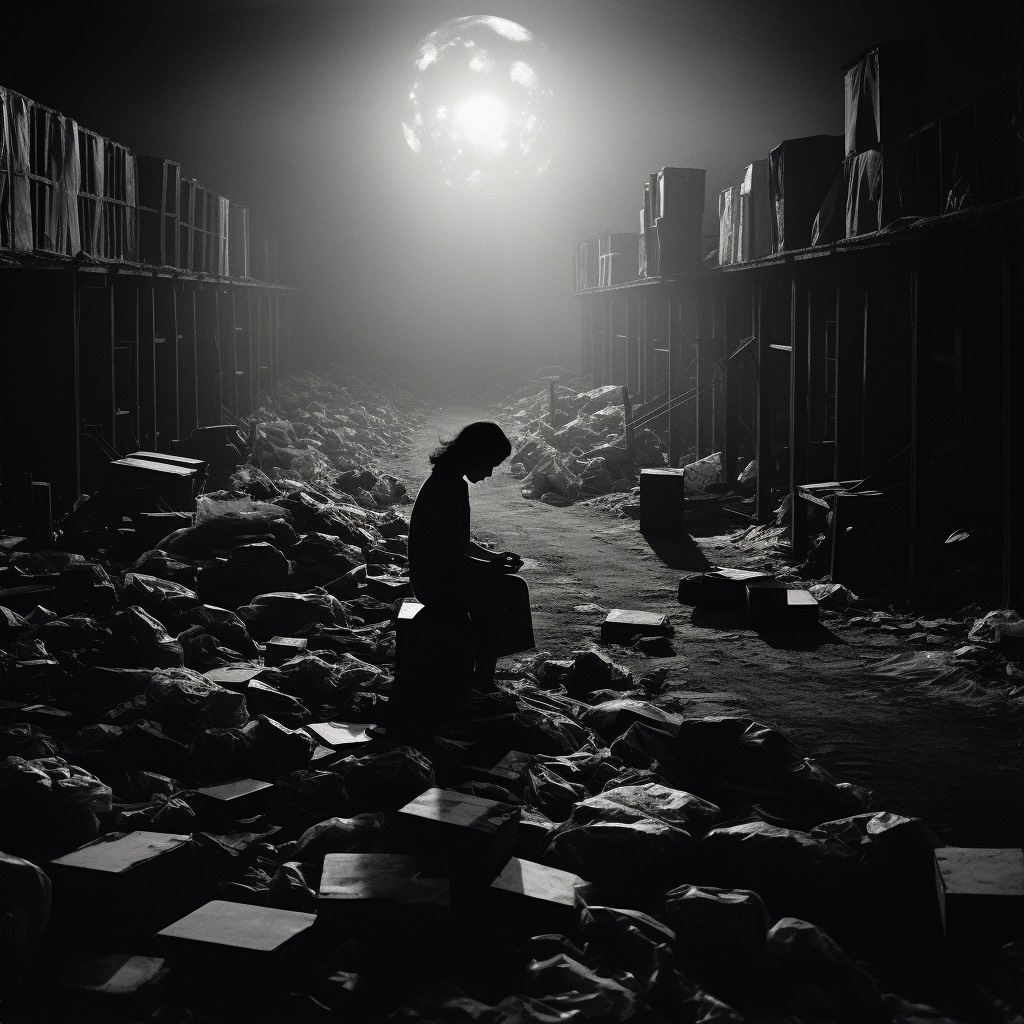
So, I found a warehouse in the North Dormitory, far from home, filled with sand and gravel. It took twenty minutes to bike there. The warehouse was used by my father’s materials department for shipping goods, and it had a simple office where my father set up a desk for me to study. I added a bed myself. During high school, I lived there, sleeping, daydreaming, and studying. At night, I was scared, but fortunately, there was an old gatekeeper, Uncle Wei. The empty, cold warehouse, buried in sand and gravel, became my solitary study space, where I persevered under the moonlight and the inspiration of glittering role models.
At that time, I was an excellent student, particularly in composition. My Chinese teacher, Chen Zongrong, often read my essays to the class as exemplary works, and my grades were always among the top two in the class. However, I ultimately didn’t get into college due to insufficient scores and accepted an assignment to attend the China Sisha Technical School. Despite my poor exam results, I had a strong desire to learn. I gradually realized that while my parents had seen a lot, their vision was still limited and too practical, and they were not attentive to their children’s education. They believed in the system and valued labor, yet unable to see the future.
Slowly, I understood that my mother didn’t appreciate or recognize the importance of education. She pursued education out of practical necessity to save her grandfather and married my father for material reasons. My mother was eloquent, but she never did household chores, which were all managed by my Waipo. During the early Cultural Revolution, my parents faced unfair treatment and went to Beijing to file a complaint. Minister Qian Zhengying personally received them and wrote a letter to plead their case. However, this led to further misfortune of my parents during the Cultural Revolution, as they were ostracized and bullied upon their return to the power plant. They were rational and stubborn, but I saw a harsh truth: in this society, reason held little value; strength was what mattered. I wanted to become strong. I believed my parents’ problem was that they gave us fish rather than teaching us how to fish. They exhausted themselves shielding us from hardships.
There is one incident I will never forget. After school one day, I came home to find guests having dinner and watching TV. My mother asked me to fetch water from the workers’ canteen. I didn’t go, as I was eager to ride my bike to the warehouse to study for exams—high school was intense, and my classmates were all striving. Seeing me about to leave, my mother thought I was shirking chores and scolded me. As dusk fell, I silently rode away. That night is a blurry memory; I remember crying, confused about why my mother, a well-read person, seemed to resent learning and valued “fetching water” so much. I vaguely remember my father coming to the warehouse to comfort me. After he left, I noticed a bottle of dichlorvos was missing from the corner—it was my father who had taken it, fearing I might do something uncalm. I felt the depth of his love and cried hard. There was never a place for studying at home, nor did anyone value education. My request to attend any tutoring class was naturally denied.
Nevertheless, still, I gradually understood my mother as I grew older. Once, she lamented, “When I had your sister, two buns cost a dime; by the time I had you, one bun cost a dime!” I slowly realized that in the era I grew up in, families had their food taken away by famine, their pens broken by the Cultural Revolution, and were knocked down by society, yet still had to raise three children and support two sets of grandparents and even relatives. How could they prioritize education?
We had a neighbor, Uncle Lu, from Shanghai. He graduated from Tsinghua University and was assigned to the power plant. He always wore a white shirt, spoke little, and never interacted with the plant workers. His curtains were always drawn. Uncle Lu would pass by our house on his way to and from work. He didn’t speak to anyone, but during the New Year, we kids would go to his house for candies, which were from Shanghai and very tasty. He was a man but made beautiful clothes. When my mother made clothes for my sister, she always went to Uncle Lu for tailoring. He had a keen eye for detail and would add two peach-shaped patches to the collars. My mother never made clothes for me, but Uncle Lu would say, “Let’s make some pieces for Xiao Mei (my nickname).” He would mix crystal violet water for dyeing clothes. During the New Year, when I had no new clothes to wear, it was always Uncle Lu who made clothes for me. These acts stayed with me. People said I was a foundling, and I believed it too. In the power plant, only Uncle Lu was kind to me. He always said, “This child is different from everyone else.”
He must have seen the determination in me.
To be continued…
Pictures and content from:
 OurStory