Author: Yilun
Translator: chat gpt 3.5, Yilun
Yao Mei, born in Zibo, Shandong, China, 1963

Narrator: Yao Mei
Key terms:
Waipo=maternal grandmother
Waigong=maternal grandfather
—
Adolescence
The stroy goes on…
When I was a child, I never thought about death.
My uncle and Waipo never argued. Whenever I visited the countryside, my uncle would set up the mosquito net early in the evening. Before bed, he’d climb inside the net, wave a palm fan to ensure no mosquitoes were inside, and then let me in to sleep. The well water in the countryside was not clean. After boiling it in an iron kettle, a white residue would form. My uncle always skimmed off the residue before giving me the water to drink. Although the countryside favored boys over girls, the selfless love from my uncle and Waipo left an indelible mark on me.
When I was ten, my uncle’s death stroke me hard. As a child, I had a naive idea that the world didn’t need more or fewer people, just that the people around me would always stay together. My Waipo’s husband was in prison, while her son passed away. People often said she was xinjiao, an anxious heart, and would go silent as misfortune hit. Back then, I didn’t understand her emotions. Now, I’ve come to realize the weight she carried.
The years in Jinan, my Waipo’s family, her difficult life, and the cruel twists of fate shaped my childhood. From that time on, I developed a strong heart, a stubborn spirit, and a deep desire for respect.
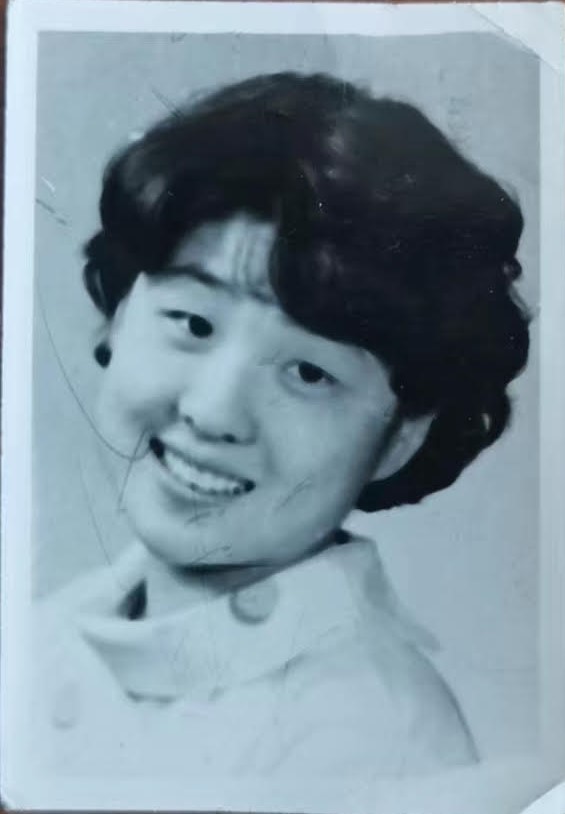
After spending three years in Jinan for primary school, I returned to Zibo for junior high school at the electricity industry. At that time, both junior high and high school lasted two years each. Although the academic atmosphere in Zibo was not as vibrant as in Jinan, coming home always felt good. It was like a little bird returning to its nest, surrounded by familiar faces, streets, and scents. There was a sense of contentment, joy, and the long-awaited warmth that Jinan, despite the warmth with my Waipo, couldn’t quite match due to the urban environment.
It’s worth mentioning that my parents held very respectable positions during that era.
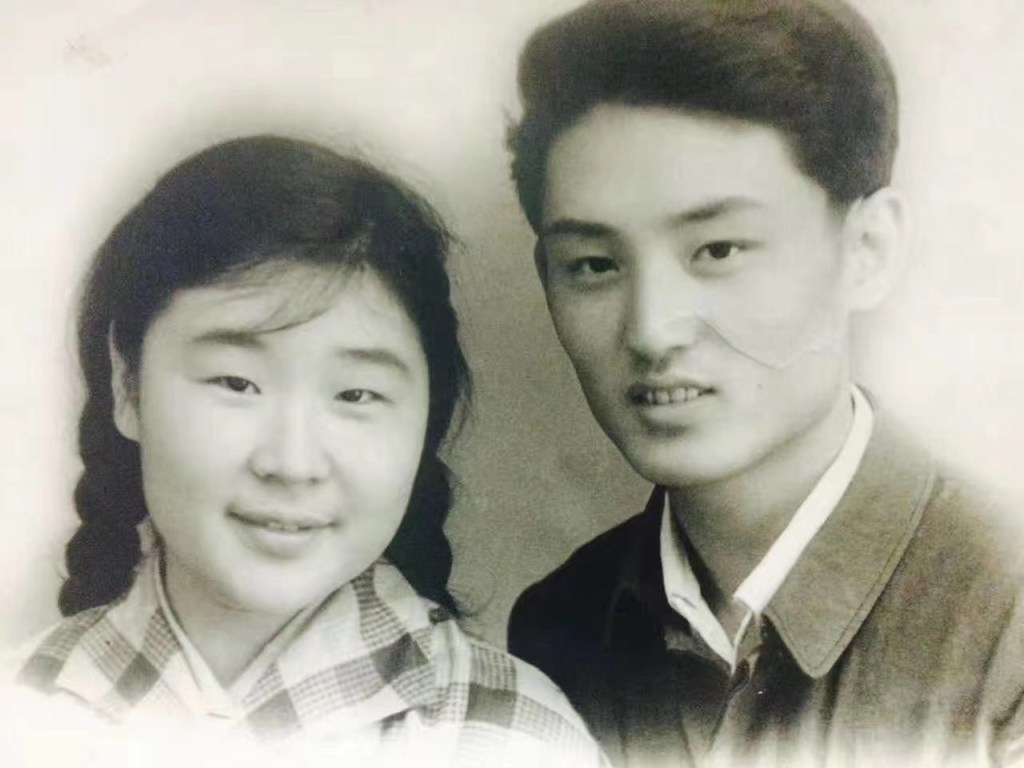
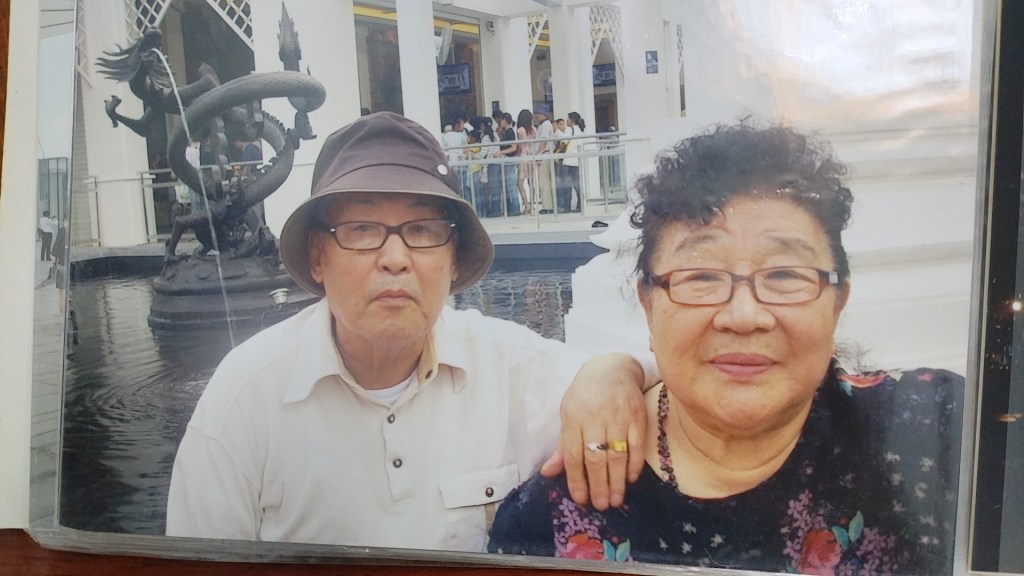
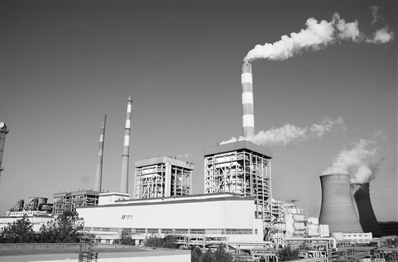
Zibo was known for its heavy industry. The city boasted the largest power plant in terms of electricity production and had its own independent railway. Nanding Thermal Power Plant was the pioneer of thermal power generation in New China. My father was in charge of procurement at the power plant, responsible for acquiring materials like steel bars, cement, sand, asbestos, and coal. During the initial construction phase, he spent years traveling and coordinating material distribution. It could be said that he played a significant role in building Nanding Thermal Power Plant from the ground up, making him a deserving veteran of the state-owned enterprise.
My mother graduated from medical vocational school in 1955, possessing a breadth of knowledge. She was assigned to work in the pediatric department of the Zibo Central People’s Hospital. From a young age, her motivation to study medicine stemmed from her grandfather’s battle with tuberculosis. She traveled alone from Jinan to Weifang for her studies, just to heal her grandfather, enduring the harsh winter without complaint, despite her longing to return home. Eventually, a telegram arrived, raising her hopes that her family finally wanted her to come back, only to learn of her grandfather’s passing. Her pursuit of medicine could not save him.
My father, with less education than my mother, met her while seeking medical treatment at the hospital. He was captivated by her intellect. After they got together, they established their family in the electricity industry.
In the 1960s, state-owned enterprises were the backbone of the nation, with the electricity industry supporting numerous households. My mother transferred from the city hospital to the hospital for industry workers. At that time, most families of single-employee state-owned enterprises relied on housewives to take care of the children at home. However, my mother stood out as one of the few knowledgeable individuals, an advanced woman with technical expertise. Hence, ours was one of the rare households with both parents working. Doctors at the industry hospital wielded considerable power. A simple sick leave note could excuse workers from work while still receiving wages, earning my mother a certain popularity.
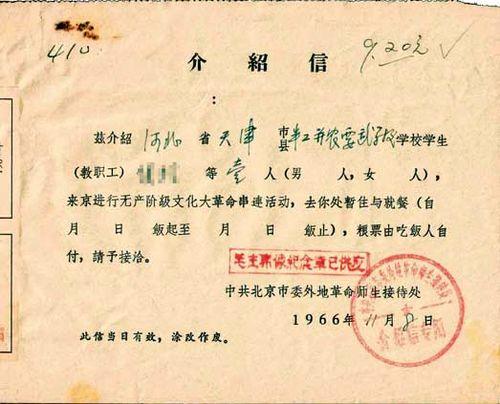
Though my mother was highly educated, my father’s charm and practicality compensated for his lesser academic attainment. He had a wide range of experiences, having started working at a young age, served as a signaler soldier, and later joined the electricity industry. As a veteran of state-owned enterprises and holding a prominent position in the procurement department, my father often traveled nationwide, coordinating logistics and business affairs. He went from urging timber shipments in the northeast to supervising crane operations in Qingdao, traversing the country from Daqing to Nanjing and Shanghai. In those days, air travel was a luxury reserved for a select few. It required an introduction letter from the revolutionary committee of a state-owned enterprise for national clearance. Without this letter, traveling within China was a mission impossible.
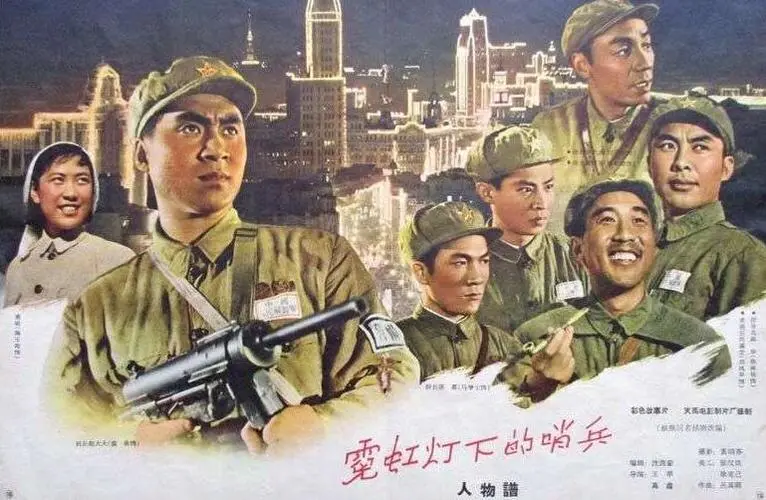
During that era, my father had seen the world, and his mindset and perspectives vastly differed from those around him. He packaged his worldly experiences into a gift for us children, enriching our entire childhood. The Nanjing Yangtze River Bridge, immortalized in textbooks, was witnessed by my father during its construction. Representing Shandong’s electricity industry, stationed at No. 1 Ningbo Road in Shanghai, my father witnessed the filming of Sentinel under The Neon Lights. At that time, many beautiful women were discovered by talent scouts and entered the entertainment industry. My older sister was also scouted, almost going to Shanghai to pursue acting. However, my mother intervened, as being a star was considered a lowly profession, lacking respect in those days. Despite her love for life and desire to see the world, my sister’s dreams of stardom were thwarted by Shandong’s Confucian culture.
In the 1970s, red was the prevalent color, with people studying Mao Zedong’s quotations and collecting commemorative pins. My father, meticulous in his pursuits, collected complete sets of Mao badges—each representing different events and eras, meticulously arranged on a piece of red velvet fabric. Zibo produced rare ceramic badges, of which my family had a substantial collection, hard to find elsewhere. He would often barter with others to acquire those he lacked. If his collection were preserved today, it would resemble a museum. In the planned economy, emphasizing public relations, my father excelled, always carrying commemorative badges and gifts, earning him goodwill and making his work easier. His approach to handling affairs, EQ, and efficiency profoundly influenced me.
My mother’s work also commanded respect. Whenever she was on night duty at the hospital, regardless of the child’s ailment—be it a fever, cold, or epilepsy—she would attend to them if the door is knocked. Some of those children she attended to have now become grandparents. Thanks to my parents’ reputation and respect in their professions, even during the Cultural Revolution when nobody visited us, there were always people bringing food and helping out. My mother didn’t know how to sew clothes, and it was always the neighbors who came to our aid.
Despite the scarcity of goods in the 1960s, due to my parents’ nature, abilities, and reputations, our household was quite comfortable. During the period of Chinese New Year, our house became a hub for social gatherings, with visitors streaming in from the first day to the fifteenth. I remember waking up at 5 a.m. on the first day to a constant flow of visitors, exchanging sweets as tokens of goodwill, with the doorstep almost being stepped off by countless well-wishers.
—
Young girl
As a young girl, I eagerly looked forward to my father’s return from business trips. He would always have a drink, sit on a small stool, place my brother on his lap, and tell us stories about the world. The world outside was so exciting! Back then, China was very poor, and my father’s experiences were beyond anything I had ever heard of, even though they were limited to within China.
I remember the first time I saw an airplane trash bag. When my father showed it to me, I couldn’t believe it—a paper bag that didn’t leak! It was incredible. The first time I saw bread was when my father brought it back from Jinan. It looked like a big pillow. The first time my father took me to eat ice cream, I didn’t even know such a thing existed. My first pair of high heels came from Qingdao, and both my sister and I each got a pair. My first pair of fabric pants, with a crease down the middle, cost 9.9 yuan per meter and fit me perfectly.
My mother was well-read and rich in knowledge. My father, having traveled far and wide, had a broad perspective. We children grew up watching movies and listening to vinyl records. We lived in the area in front of the plant, very close to the power plant itself. Most of the administrative offices were there, making it the industry’s center. The people living there were mainly key personnel of the plant, relatively well-off compared to those in Xishan and Bei Dormitory, which were farther away and mainly housed workers on rotating shifts. In 1973, only ten families lived in the Jiangjun Lou, General Building (a small villa, a connected duplex), and ours was one of them. The house had a hall as soon as you entered, two rooms upstairs with sofas, beds, and a TV. Under the stairs, there was a storage room, a kitchen, and a backyard.
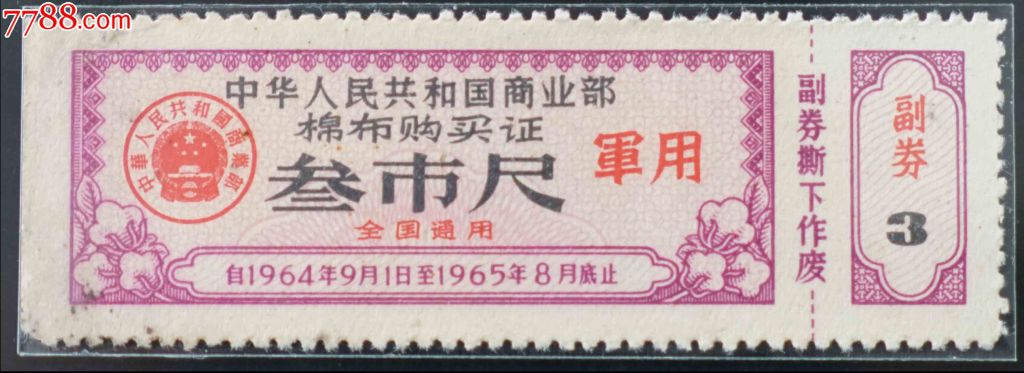
My sister always wore the best clothes from a young age, clothes from Shanghai that required nationwide fabric coupons to purchase. At that time, military representatives were stationed in enterprises, and the power plant had a garrison unit that had a good relationship with my mother. She provided medical care for the troops, and often received military fabric coupons in return as a thank.
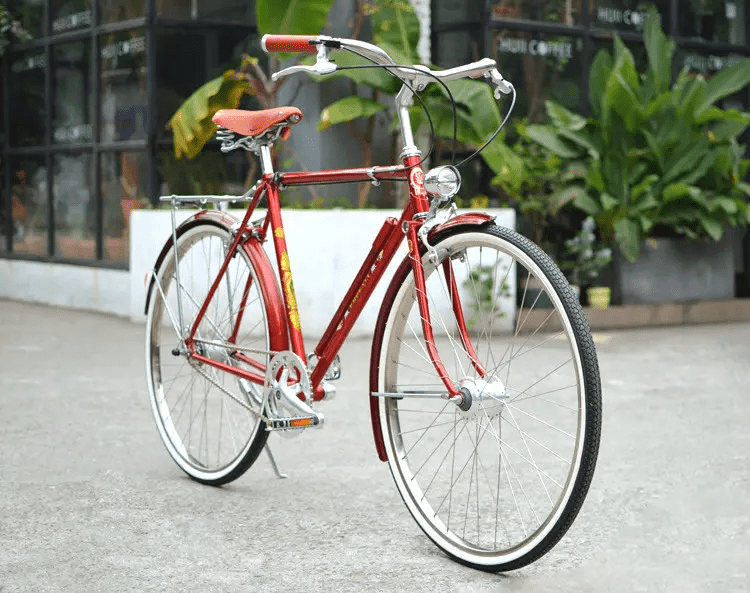
My sister’s first bicycle was a red Phoenix bike, which from a brand originally meant for export to Vietnam. She had ridden it since she was young. My ride, on the other hand, was a Flying Arrow bike from a place called Bengbu, bought by my father. Riding around the industry, my sister and I were on our “Ferrari” and “Porsche.” But this wasn’t even my first “luxury car.”
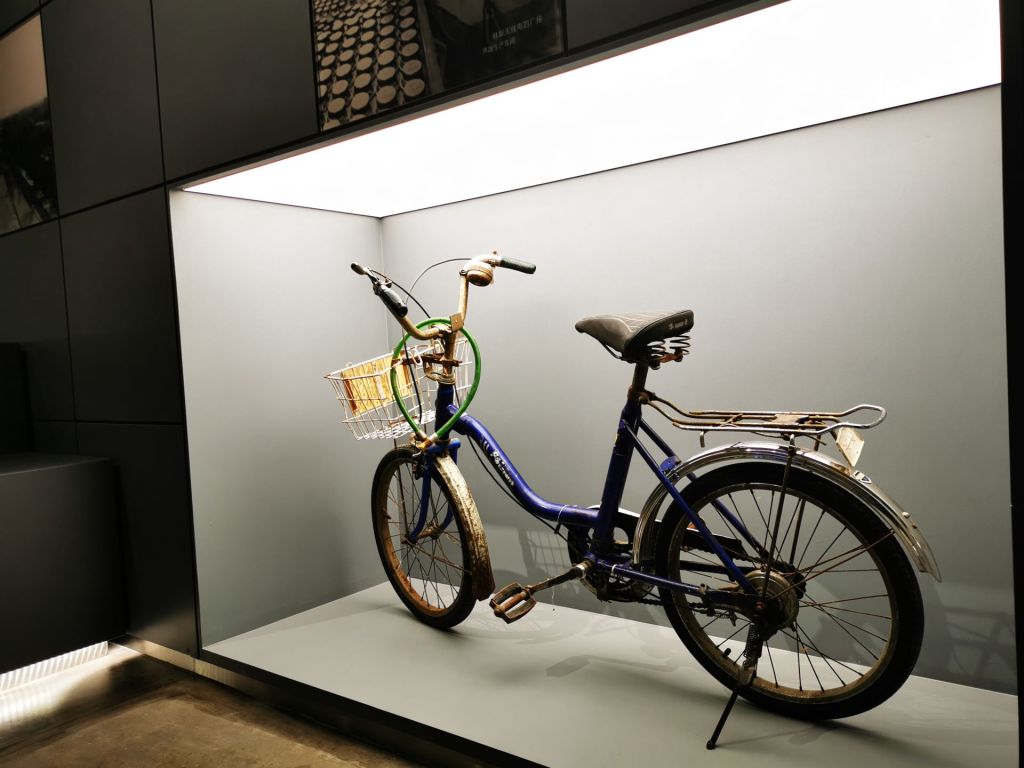
Behind the General Building where we lived, there was a logistics unit of a stationed army. During high school military training, we organized study groups. I loved being hands-on, so every day after school, I would drag two classmates to the logistics unit’s kitchen to help with cooking. The soldiers found me likable and hardworking, and one day they took me to a small “85” bicycle. They said, “It’s yours,” and they actually gave it to me! That was my very first bicycle.
—
Crane
My impression of cranes comes from the line in the model opera “Harbor”: “The big big crane makes us gasp, lifts tons of steel with a gentle grasp.” Once, my father had to go to the Qingdao Port Authority to get a crane for the power plant construction. At that time, he didn’t know anyone in Qingdao, making it extremely difficult to obtain a crane. However, relying on his personal charm and social skills, he not only knocked on the door of the Port Authority’s director with an introduction letter but also quickly established a friendly connection, bringing our two families together. I still remember the director, Uncle Ma Guoan, and his two sons, Ma Hong and Ma Yan. Two families’ children became friends. Uncle Ma was from Zhanjiang, and his wife, an Indonesian Chinese, wore beautiful sapphire blue dresses. Their house had staircases of varying heights, creating a stylish and warm atmosphere, quite different from the typical electric industry families.
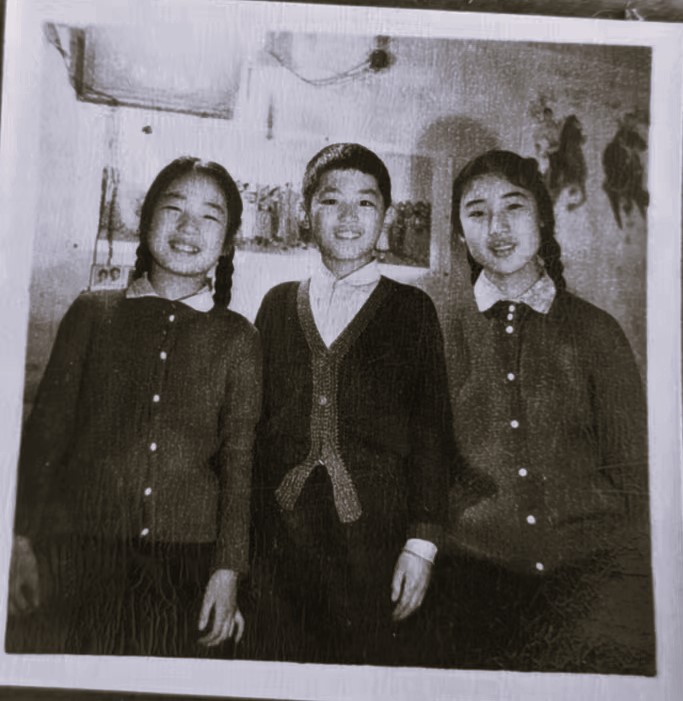
My father successfully borrowed two cranes, and I felt incredibly proud of him. On the way back, the crane’s head was placed in the cargo bed of a Dongfeng truck. I looked back at my father from the truck’s cab, seeing him sitting majestically at the crane’s control panel. He seemed so tall and impressive.
Due to his job, my father often traveled or visited other places, with the plant’s car team responsible for transportation. Every morning, whether it was a small car or a big one, all the drivers eagerly vied to accompany my father on his trips because he always gave them a chance to see the world and access scarce materials. My father loved to socialize, and our home was always filled with guests for meals. Uncle Ma’s recognition of my father’s character, abilities, and our family led to his assistance with the cranes. Uncle Ma’s advanced and wealthy family life filled me with endless longing, and my father’s drive to always aim higher instilled in me a desire to aspire upward.
To be continued…
Pictures and content from:
 OurStory