Author: Yilun
Translator: Chatgpt 3.5, Yilun
Preface-why writing
I’ve heard my mother’s story countless times, over and over again. From childhood during the Cultural Revolution and famine, to being neglected by parents’ love, graduating from the power plant workers’ school, meeting my father who changed his fate through knowledge, self-studying as a youth, dodging waves of unemployment, venturing into entrepreneurship, becoming a business owner, studying in Singapore, and raising children until now, her stories over sixty years of trials and tribulations could fill a saga. Sometimes, when she speaks, I feel like a law student preparing for an exam, ready to answer the causes, processes, and results. I’ve also asked my classmates and friends if their parents talk about their faded ancestral stories before or after meals, but the answers I received were hardly affirmative— their indifferent responses already reflecting their lack of interest. At least, I can assure you that most people’s situations are not as “extreme” as my mother’s. She is like a history tape that doesn’t need rewinding, capable of recounting any moment in time with meticulous language, ample historical evidence, and rich emotions, even bursting with new memories each time— including new places, names, years, experiences, and more— often making me feel like a detective, trying to verify and complete the full picture of events, distinguishing between the obvious and the hidden. So even though I usually do something else while she narrates— as if trying to express my fatigue with the repetitive and monotonous chronicle work through body language— I can’t help but ask when she mentions terms like “Yi lao lao” or “Yi lao ye”: Yi lao lao, is that your grandma’s sister, right? So, Yi lao ye is your grandma’s sister’s husband, right
I must admit, my mother’s vast and dramatic experiences are in no way overshadowed or erased by repeated narration. On the contrary, it is this repeated polishing, year after year, that has allowed me the privilege to glimpse into these experiences, nestled between the gears of time, enduring the torrents of history yet standing tall with thickness and strength.
However, as people of Gen Z, we, riding the wave of individualism and deconstructionism, seem reluctant to pause and ponder, who are we, truly? Perhaps it’s the rapid development of the times, the fast-paced population movement, inevitable generation gaps, and cultural ruptures that have occurred. Is it maybe the rampant consumerism, where material pursuits take precedence, and the emphasis on hedonism and self-indulgence advocated by liberal humanism that blinds us from seeing the holistic view of history and time? Or could it also be the pervasive sense of fatigue that has emerged after the explosion of information, leaving us wondering if we still possess our own sense of identity? Perhaps, it’s precisely this sense of loss and confusion that still makes me willing to lend an ear to my mother’s story. Because, slowly, I’ve come to understand that individuals are destined to be sifted out by the era itself; the darlings of today will become a whiff of whisper in a few generations. However, family history and the tangible experiences that have occurred within a certain era continue to be resilient and enduring. Understanding our family, our connection to it, does not mean we must regress into mere appendages of traditional familial structures, but rather, it is to better understand ourselves, to provide a fresh perspective for those unresolved personal predicaments. At the same time, recording memories itself is the sharpest outcry of humanity against the era. To quote a line from COCO:
“A person truly disappears not when they die, but when they are forgotten by everyone.”
Gradually, I realize that what I am documenting is not just my mother’s story, but also a paean to the era, the most potent testimony to the ebb and flow of society. It’s the experience of our ancestors, but it’s also the derivation and birth certificate of ourselves and our children. It’s all that we, as human memory, encompass.
So, one evening, as my mother washed the dishes as usual, I lay on the couch. She began telling me her story again. But this time, I interrupted her:
“Mom, wait. Let me write it down.”
Yao Mei, born in Zibo, Shandong, China, 1963.
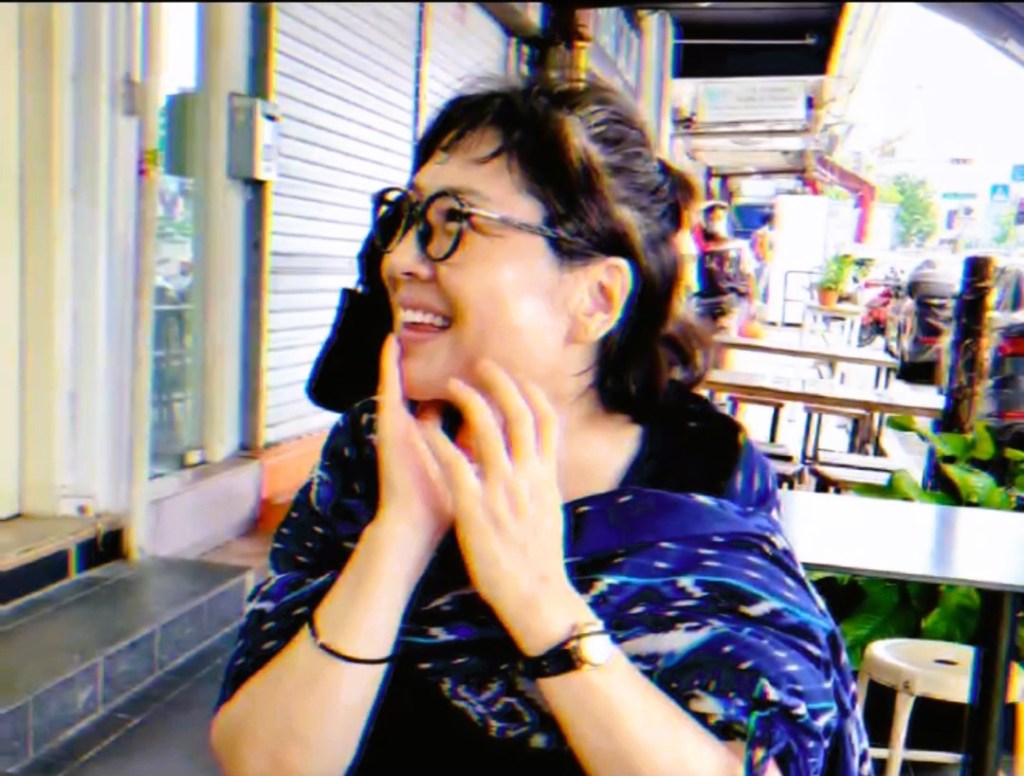
Narrator: Yao Mei, my Mom
Key terms:
Waipo=maternal grandmother
Waigong=maternal grandfather
Childhood
“Company and love is the greatest wealth”

In the era of my birth, all Chinese people faced hardships. From 1960 to 1963, three years of natural disasters ravaged the land, leaving crops to wither and lives to suffer. I still recall those times vividly—scarcity was rampant, and beggars roamed the streets.
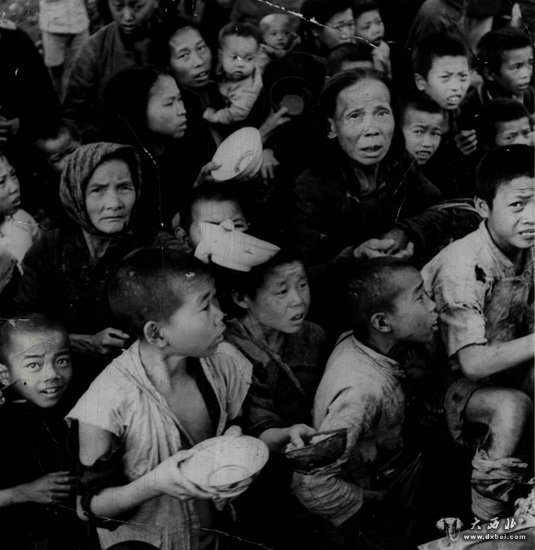
Yet, before we could recover from the calamities, the Cultural Revolution began. My parents brought me into this world, only to be forced to “abandon” me after just ten months due to the upheaval.
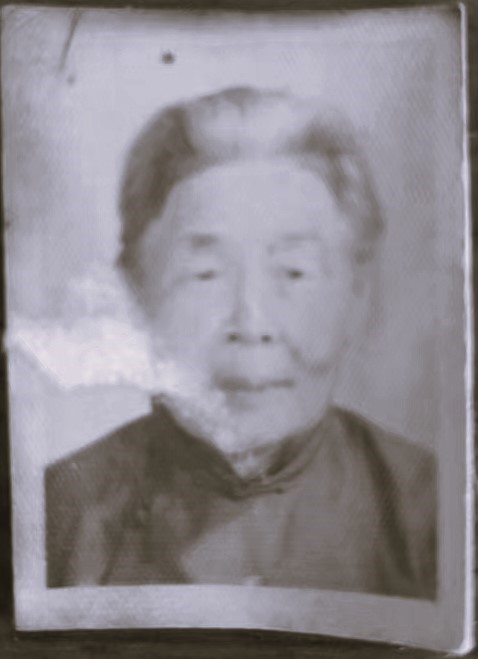
I was raised by my Wai po, whose life was no less tumultuous than mine. My Wai gong, born into a prosperous merchant family, owned a woodworking business, but his heart burned with patriotic fervor. In 1936, he left to join the war effort, leaving my Wai po expecting their child. The Marco Polo Bridge Incident occurred in 1937 (a significant mark of Second Sino-Japanese War), the year my mother was born. She never met her father until she was eight years old. Despite his high-ranking position, my Wai gong’s allegiance led him astray, and his brief happiness crumbled amidst the outbreak of civil war. With the onset of the three-year Liberation War and the birth of the People’s Republic of China in 1949, my Wai gong was compelled to flee with the Kuomintang forces. However, he remained behind and was imprisoned on charges of espionage, while his son was sent to the countryside for re-education. Even after my Wai gong’s release, he could not return home until his death. Despite these adversities, my Wai po placed all her love and hope in me. With her husband imprisoned and her son sent away, she found herself without a home. Thus, she embarked on a nomadic journey with me. This nomadic life was no fiction; my Wai po wandered among relatives’ homes in Lixia District of Jinan, Daziying, Majiazhuang, and ultimately settled with my mother, who had married and moved to Zibo. In Lixia District, most of the courtyards were confiscated, leaving only three large rooms. Two were given to her cousins, leaving just one for herself. Often, my Wai po stayed with my mother in Zibo, caring for her three children (my older brother, sister, and me; my younger brother had yet to be born). Since my siblings had to attend school and I was still young, my Wai po took me everywhere, becoming my true companion, while I was her “xiao mian ao (little coat)”.
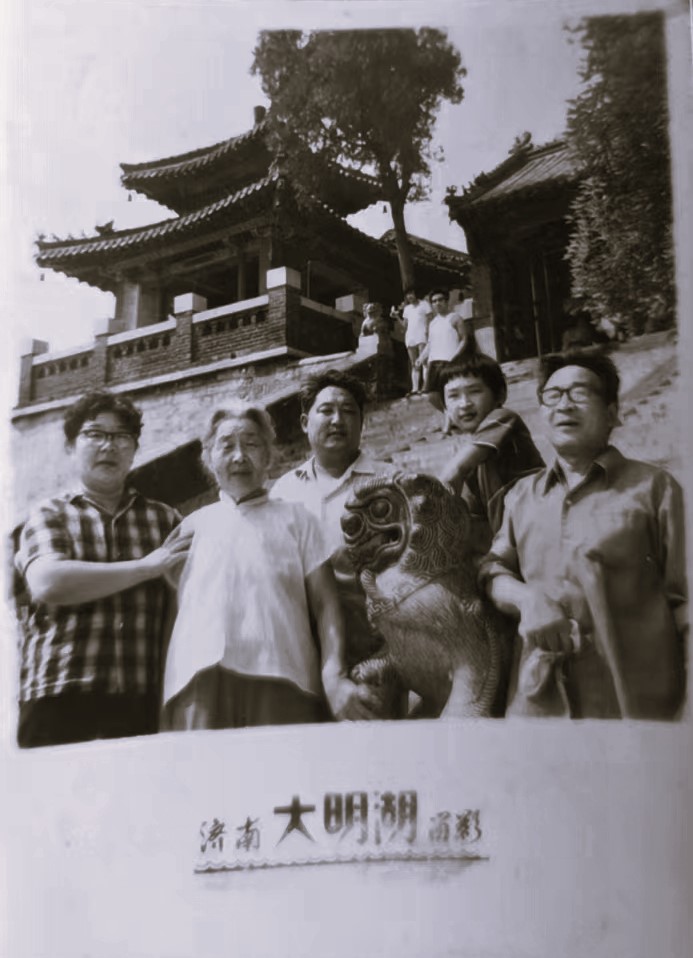
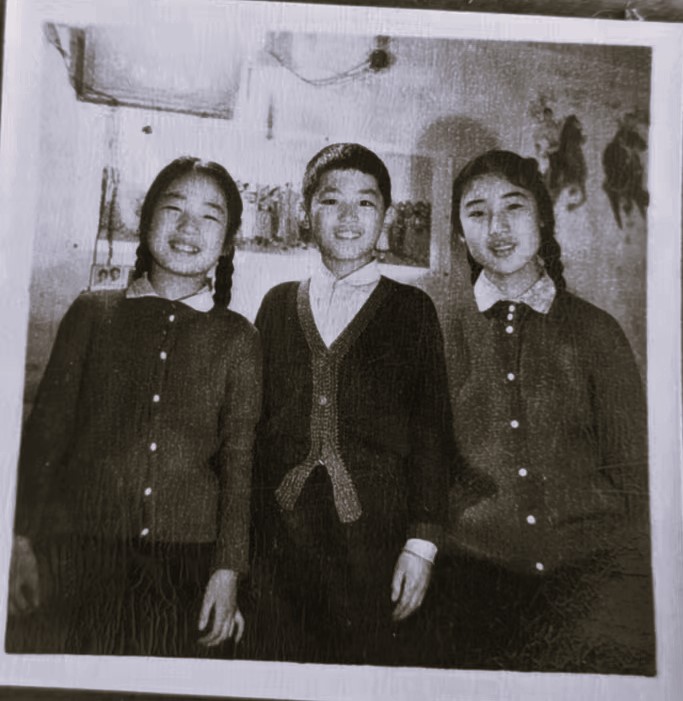
Wai gong as historic counter-revolutionary, Dad as active counter-revolutionary, Mom found herself entangled. I vividly recall the wide streets outside the gates of the factory, adorned with oversized characters denouncing my father. He was frequently whisked away for political “pi dou (struggle sessions),” leaving us, his children, in deep-seated fear.

Thus, my Wai po’s presence became the cornerstone of my childhood—steaming mantou, wrapping dumplings, crafting quilts… I cherished the moments of carefree joy, like when I reveled in the simple pleasure of playing rubber band skipping, always risking tearing my cotton trousers with each exuberant leap. Come evening, my Wai po would deftly mend the fabric, widening the seams to preempt future tears. When fabric was scarce, she’d salvage swatches from my siblings’ garments. It was through such acts of resourcefulness that I learned the art of tailoring.

Occasionally, I accompanied my Wai po on visits to our ancestral home in Jinan. We’d embark on a journey from the Wu Gong Li Station in Zibo to either the Jinan Railway Station or the Pei Kuan Railway Station—often opting for the latter due to its sparse crowds.
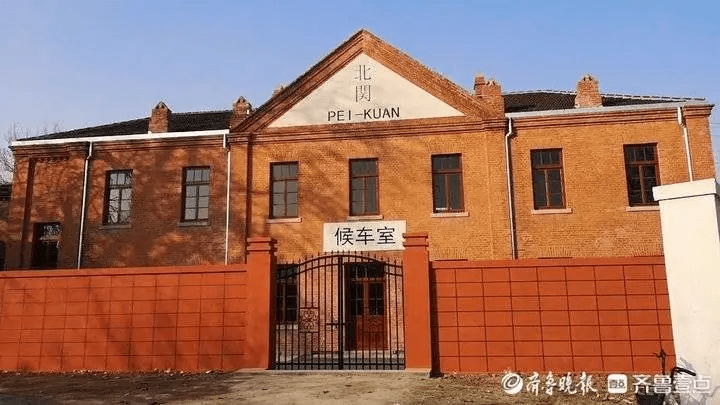
Laden with bundles, my diminutive Wai po navigated the arduous trek from Pei Kuan Station to our doorstep, a journey of several hours. If hunger struck along the way, we’d dip into our dried rations and water stored within the bundles. Amidst the bustling throngs and the two hundred miles separating Zibo and Jinan, this was the space spared only for me and Wai po. We forged memories uniquely ours—this 200 miles named love.
From a tender age, I was an irrepressible wild child, ever eager to explore the world beyond. In those days of rationing, I seized every opportunity to accompany my Wai po to the grain station, armed with ration books to procure provisions. The grain station in Jinan, nestled within the venerable halls of Guangzhi Courtyard in Lixia, remains so real in my memory. With its crimson walls, verdant courtyards, and ornate architecture, it stood apart from its surroundings. Towering trees within the courtyard bore fruit, providing a welcome treat. Each room was adorned with intricate carvings, while the bustling grain station itself was a hive of activity—a scene that captivated my senses and planted the seeds of my lifelong penchant for reveling in the vibrant life.
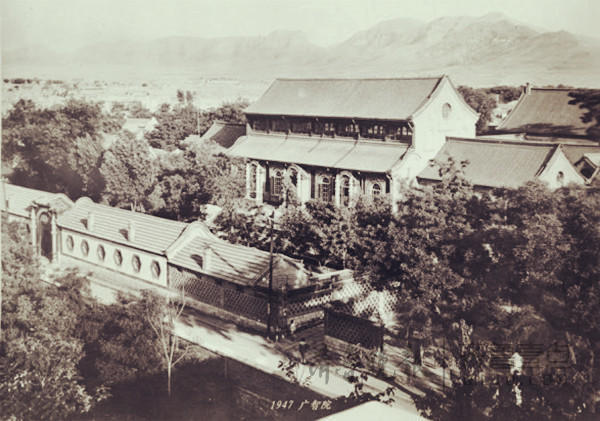
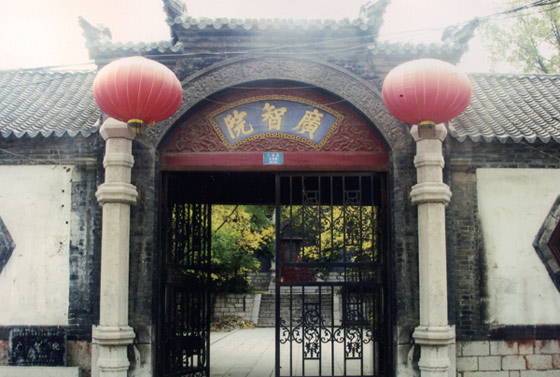
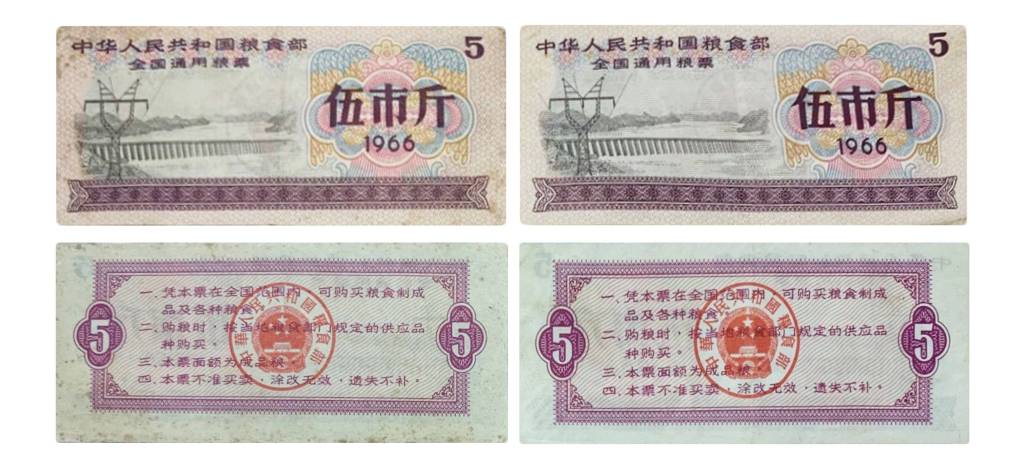
Due to the absence of labors in the household, and with me being the sole family member, my Wai po didn’t say much when delegating the task of grocery shopping to me. Fortunately, I’ve always possessed a brave heart since childhood. At the age of four or five, I fearlessly navigated the bustling streets and quaint alleys of Jinan, never losing my way. Within Guangzhi Courtyard, a room was transformed into a grain station. Grains were deftly scooped up using iron dustpans and meticulously weighed on a small scale. I would then haul numerous grain bags, meticulously sorting them before lugging them back in a basket. During that era, the allocation of grains was contingent upon one’s household registration and occupation. Consequently, my Wai po, assuming the role of a homemaker, received a meager portion of grains. Compounded by the repercussions of drought, she received the ration coupons of approximately 27 jin (catties) of coarse and fine grains, of which I took the lion’s share.
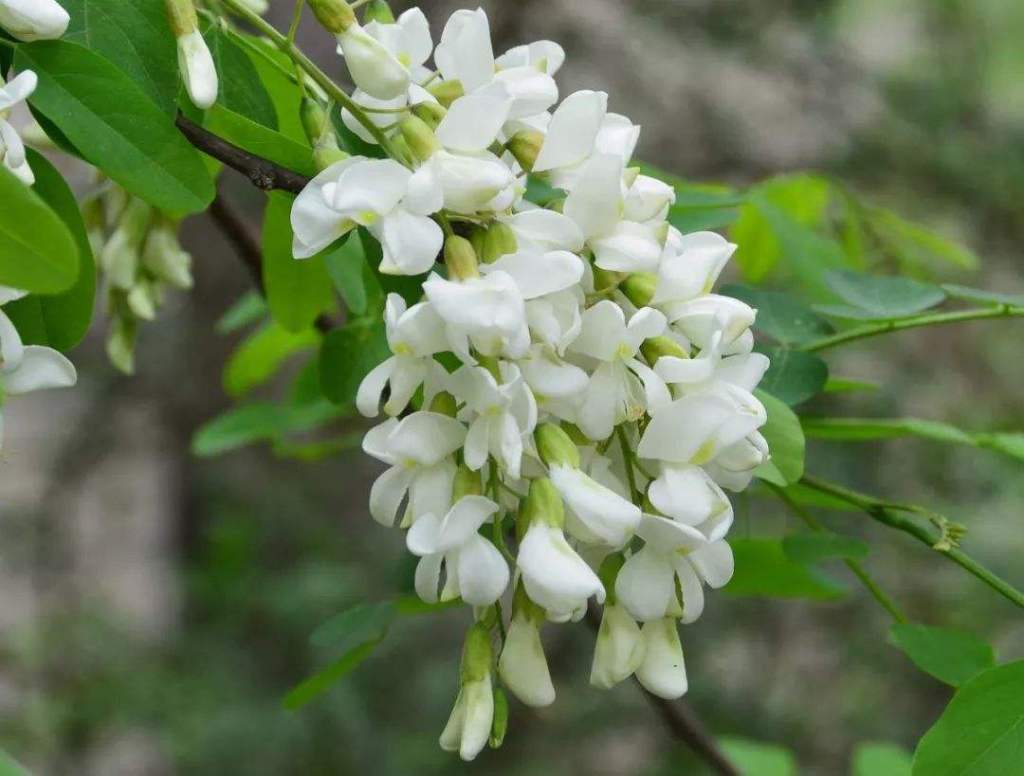
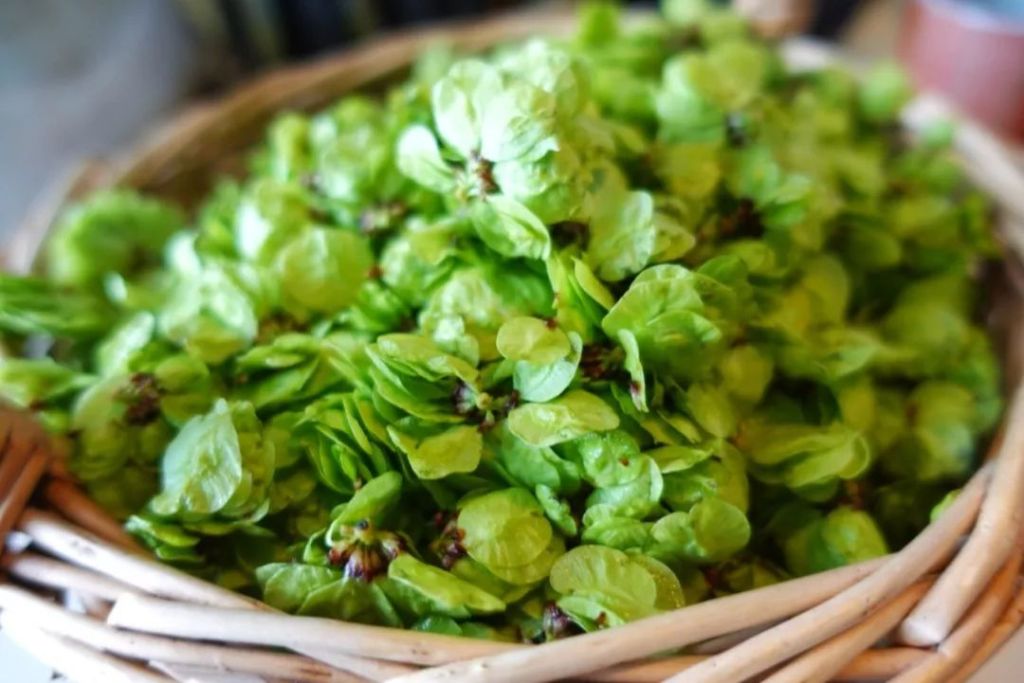
I was a picky eater, shunned coarse grains save for rice, prompting my Wai po to reserve the fine grains for my consumption. Eventually, she resorted to converting coarse grains into fine ones. Setting up firewood, infusing a hint of sweet potato flour into cornmeal, a delectable concoction ensued. Steamed rice paired with cottonwood flowers; a medley of locust flowers, willow catkins, and elm seeds mingled within flour to craft an array of palatable treats, including locust flower cakes and fried pancakes. Pristine locust flowers, meticulously washed, were delicately coated in flour before being adorned with spring onions and ginger, then crisply fried in oil—a dish-cum-meal of delight. On occasion, my Wai po would pluck a smattering of flixweed and shepherd’s purse from the fields to infuse into the mix, enriching its flavor profile.
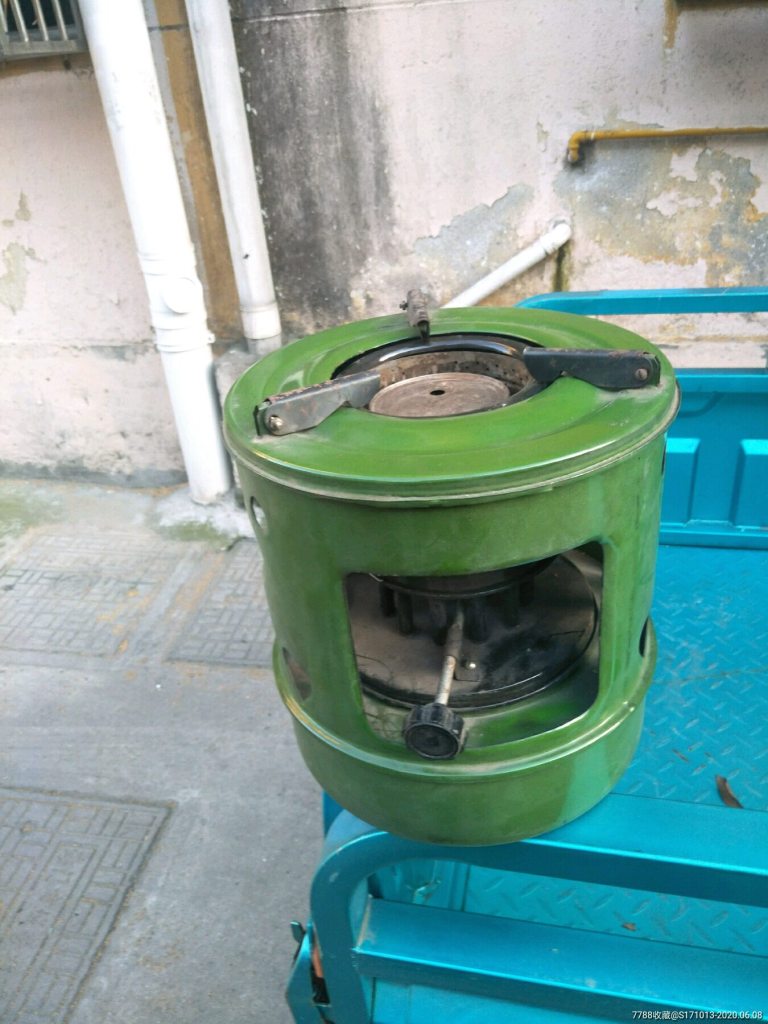
While the quota for staples wasn’t needed to be use up at times, it could be stashed away for future. However, supplementary food coupons such as those for meat and fish necessitating timely redemption—you really don’t want lapse on them. To ensure my well-being, my Wai po would scrimpy save funds to procure fish and meat; however, her allotment of fish coupons scarcely sufficed to purchase an entire fish. Thankfully, benevolent neighbors would often furnish us with additional coupons, enabling us to combine them and procure a single fish. Naturally, I seized every “shopping spree” opportunity with gusto. Fish and meat had to be bought at the Southern Building on Wenhua Street, and we had to go early; sometimes if we were late, not only would the meat be sold out, but the remaining half-day of supplementary food coupon would also become invalid. The culinary repertoire for meat and fish was extensive. Fatty cuts were pan-fried to oil, then used to infuse rice dishes with fragrant notes. Lean cuts were reserved for dumplings, while pork belly was stir-fried to extend my happiness of gust. My Wai po exhibited remarkable culinary prowess, effortlessly preparing dishes like fried Dao yu (Coilia fish) and lotus root cakes, both a feast for the senses. Cooking was conducted on feng wo mei (East Asian coal briquettes) stoves, fueled by a mixture of coal and yellow soil—a laborious process. To ignite or replenish the flames, my Wai po would solicit a well-charred piece of coal from our neighbor’s furnace, and exchanged it back with a fresh, unblemished counterpart. Subsequently, my father procured a kerosene stove from the Zibo Power Plant, a cherished commodity that wasn’t ubiquitous in every household at the time.

Fetching water involved a trip to the central water station in the street. The faucet was sizable, and the water pipes were managed by designated personnel. Outside of operating hours, they were locked. Typically, water-fetching occurred in the afternoon, around three o’clock. My Wai po was exceptionally kind-hearted. She always shared the meals she cooked with everyone in the courtyard, comprising four or five households. In the evenings, we would all gather in the yard, each equipped with a fan and a table, enjoying a communal feast. Consequently, neighbors in the courtyard often lent a hand in fetching water. Sometimes, when my Wai po felt hesitant to ask for help, she would send me instead. I was no stranger to the task. Although the water station wasn’t far, I was too small to carry a full load back home. I had to transport it in half-buckets, swaying my body from side to side, utilizing inertia to move. My Wai po was frugal with water and led a simple life, yet there was one thing she never skimped on. Due to the famine, many beggars came to Jinan, mostly from Henan, singing, playing erhu, or performing Chinese allegro clapper. My Wai po never dismissed them. She never gave half a steamed bun; it was always a whole one and a bowl of hot water. Love and warmth are demonstrated through actions. One lacking in love cannot truly love others.
Since the ration allotment for my uncle, who sent down to village as a re-educated, was distributed collectively at the Zhiqing point (re-educated teens gathering point), my Wai po would often take me to there, near my Wai gong’s home, to bring back some fresh produce. This provided an opportunity to visit relatives, look after my uncle, or exchange harvested wheat for some noodles. Each time we returned, my uncle would personally drive his di pai che (cart draged by one) to pick us up and take us to the collective grain distribution point in Majiazhuang, his ancestral village.
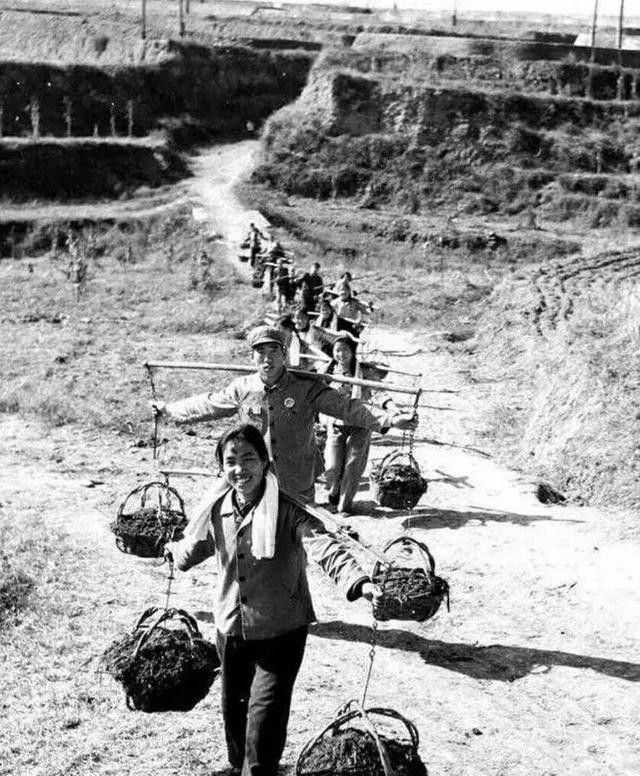

In the countryside, the toll of a bell signified the distribution of grain. Despite the abundance of food in rural areas, I always rushed to be the first to collect grain, yet I always ended up being the last to return. This puzzled my Wai po, wondering why I would leave so early but return so late. One day, she decided to investigate for herself, searching for me along the field paths. She found me sitting on the field ridge, gnawing on raw eggplants straight from the ground—I even tasted cotton flowers just as they were blooming, and I recall relatives picking dates from the date trees in late summer. During my time living in the countryside, I particularly enjoyed visiting relatives, often trekking alone from my Wai gong’s parents’ village to my Wai po’s sister’s village, known as Yawangkou. My Yi lao ye (my Wai po’s sister’s husband) was the party secretary in the town, holding status and insight, treating me well. However, my Yi lao lao (my Wai po’s sister) favored boys over girls and didn’t particularly like me. She often remarked to her sister, “Does a little girl need to be treated that well?” My Wai po would always smile, but she continued to be good to me—her love was unconditional. My Yi lao ye’s family had five uncles for me, with the youngest uncle, Lianxing, being even younger than me. When I visited, he was still nursing, and I would often jest, “Lianxing uncle is still nursing!”
There was a particularly large market in town. One winter when I went to the market, the lake beside it had frozen over, yet there was a live duck underneath the ice. This caused panic among the villagers of Yawangkou, who raised, loved, and depended on ducks! Consequently, the villagers joined hands to rescue the ducks from the pond.
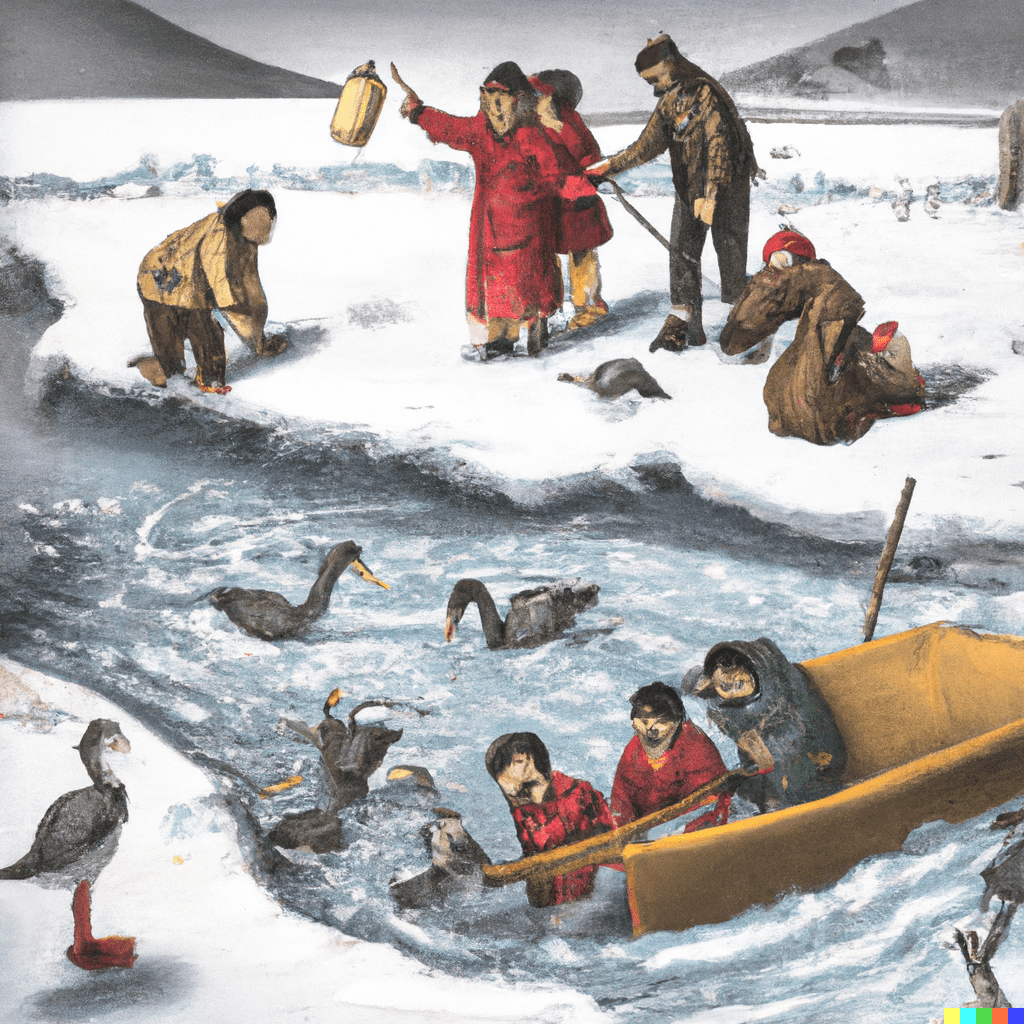
I watched for the entire afternoon. Eventually, my Wai po and uncle couldn’t find me anywhere. They searched the pond, called out my name in the ditches, and even fished in the wells. After much commotion, they finally found me at the lakeside, watching people rescue the ducks. This wasn’t a matter to be taken lightly; children often went missing in rural areas, falling into wells or ditches. I was mischievous from a young age, perhaps because I came from the city—there was a world of difference between rural and urban areas at that time. Nonetheless, the villagers took a liking to me, appreciating my quick wit and intelligence. Despite my wandering, I never got lost.
When I was five years old, my uncle’s daughter, Miaozi, who was a year younger than me, wasn’t as fortunate.
One day, I accompanied my Wai po to visit her family in Daziying, and Miaozi and I went with my uncle to fetch water.
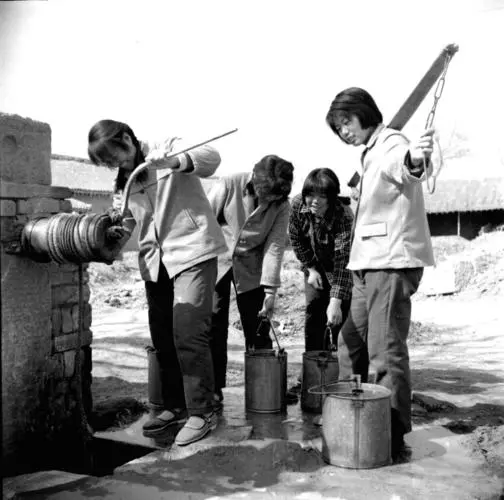
Using a pulley, my uncle lowered the bucket down the well and then hoisted it back up. After filling the bucket with water, he carried it home, leaving Miaozi and me to watch over the well rope to prevent theft. I was five years old at the time, and Miaozi was four. With nothing else to do, Miaozi amused herself by spinning around a nearby tree. The winter ground near the well was slippery, and in her spinning, she must have become dizzy and suddenly tumbled into the well!
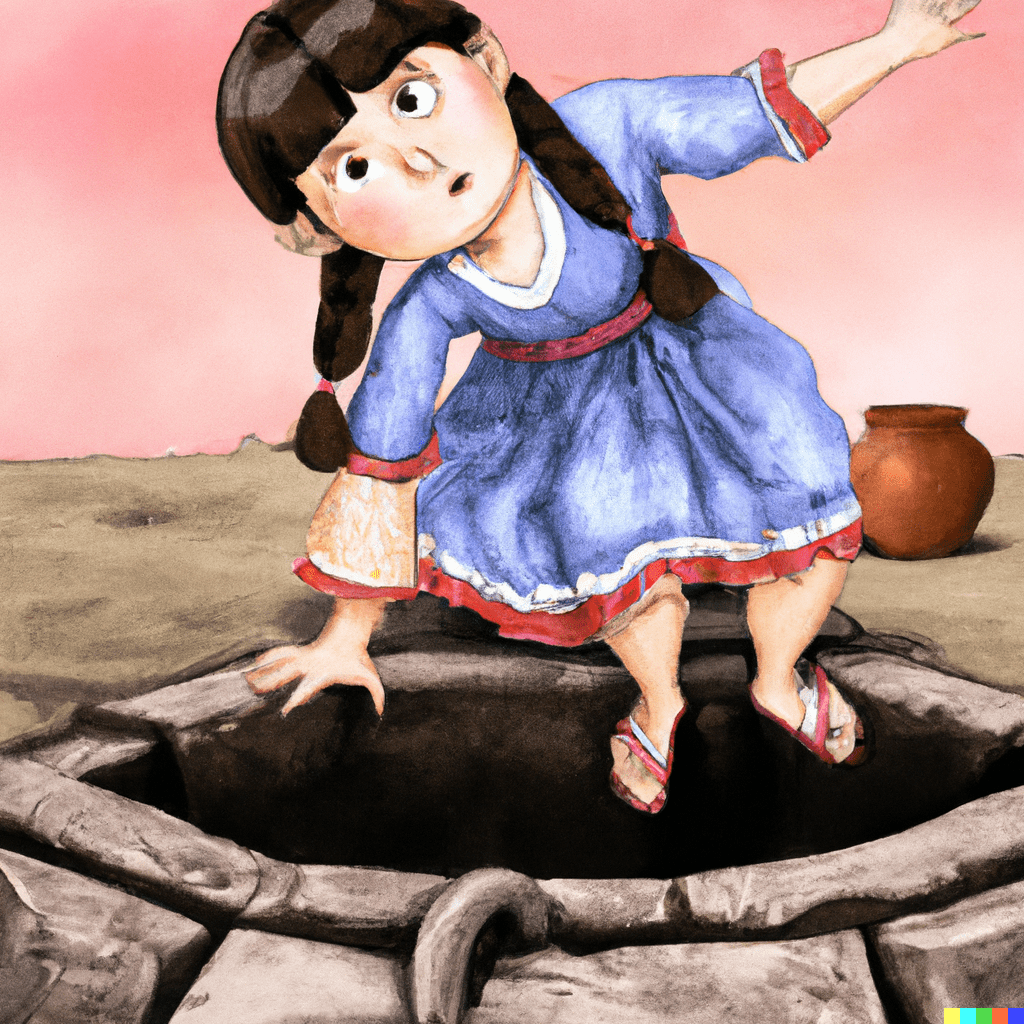
I heard a “splash!” and knew that Miaozi had fallen in. I ran home crying, shouting, “Miaozi fell into the well! Miaozi fell into the well!” My Wai po scolded sternly and slapped me, saying, “Stop making things up!” But I insisted, “It’s true, it’s true! Miaozi fell into the well!” My uncle sprang into action, rushing out after leaping from his bed. Lost in my tears, by the time I regained my senses, Miaozi had already been rescued. The courtyard was bustling with people, my aunt cradling Miaozi, attending to her while feeding her milk. Miaozi was convulsing, sucking on my aunt’s withered breast. Suddenly, my Wai po embraced me tightly, murmuring, “If these two children had swapped places, Miaozi wouldn’t have saved me like this…” Today’s Miaozi is already the grandmother of two grandchildren. From then on, I became a “village legend”, my childhood heroics in rescuing Miaozi spreading far and wide. It became known as the “Simagang (a brave Chinese folklore character) of Yawangkou.”
To be continued…
Pictures from:
 OurStory